LACT Partners
Practical Action
About the partner
Who they are
Practical Action is global community taking action against poverty and the environmental crises to start the big changes the world urgently needs.
Across Africa, Asia and Latin America they partner with people experiencing these challenges, especially those who are unheard and excluded. Their approach is to identify what works on a local level, then adapt and amplify it across different regions, countries and continents.
In Latin America, Practical Action has a long-standing presence, particularly in Peru, Bolivia and Ecuador, where it works closely with local and Indigenous communities. Their focus is on two connected areas for action - livelihoods and climate resilience, working to deliver three big changes: on food and bioeconomy– to sustain people and planet, on energy – clean and accessible for everyone, and on climate risk – so people are prepared and protected.
Overview of our partnership
Supporting youth employment through sustainable tourism
Between 2020 and 2022, LACT partnered with Practical Action to create opportunities for youth employment through sustainable tourism in Bolivia. Working in the municipalities of Rurrenabaque and San Buenaventura, the programme supported young people to build skills, access training, and engage with local stakeholders to strengthen the tourism sector.
The collaboration contributed to strong youth mobilisation and leadership, including the creation of youth platforms and a regional network engaging more than 190 young people across several municipalities, including Indigenous communities. These spaces enabled participants to develop skills in sustainable tourism, entrepreneurship, and advocacy, while also increasing their visibility and influence in local development processes.
The programme delivered tangible impact in employability and local economic development. Over 1,300 young people strengthened their skills for the labour market, leading to new businesses, access to funding, and job opportunities in the tourism sector and local institutions. It also helped position young people as key actors in decision making, contributing to more inclusive and sustainable tourism in the Bolivian Amazon.
Active projects
What we are working on together
Amazonian Youth Bioeconomy Schools & Labs
Building on previous work in sustainable tourism, the project aims to support young people to move beyond basic roles in family agriculture and become active participants in emerging bioeconomy value chains such as cocoa, coffee and Amazonian fruits. By doing so, it seeks to strengthen local livelihoods while reducing the need for youth to migrate in search of work.
At the heart of the initiative is a practical model that connects skills with real economic participation. Through hands on training, shared experimentation spaces and mentoring, young people are supported to develop technical, digital and entrepreneurial skills, test ideas, and build collective enterprises. The ambition is to position youth as leaders and innovators in sustainable, forest-based economies, contributing to more resilient communities and the long-term sustainability of Amazonian landscapes.
Local partners
Local partners leading the work on the ground
Municipal governments of Rurrenabaque, San Borja and Palos Blancos
These local governments are the local public authorities closest to the population, exercising political, executive, and administrative functions within their respective jurisdictions. They have the mandate to govern, legislate, and manage public resources autonomously, while strengthening key competencies such as territorial planning, disaster risk management, environmental protection, and local economic development.
Tsimane Mosetén Regional Council (CRTM)
Tsimane Mosetén Regional Council (CRTM) is the highest representative organization of 23 Indigenous communities located within the Pilón Lajas Biosphere Reserve and Indigenous Territory (RB-TCO Pilón Lajas), spanning the departments of La Paz and Beni. Its mission is to promote the development and well-being of the Tsimane and Mosetén peoples in accordance with their cultural values and vision, while ensuring the sustainable management of natural resources and the protection of their ancestral territorial rights and self-determination. The RB-TCO Pilón Lajas is governed through a co-management arrangement between the CRTM and the Executive Directorate of Pilón Lajas, integrating Indigenous territorial governance with protected area management. This co-management model aims to conserve the territory’s exceptional biodiversity and cultural heritage while promoting the sustainable use of natural resources, strengthening climate resilience, and safeguarding the rights, livelihoods, and traditional knowledge of the Tsimane and Mosetén peoples.
Latest from the blog
LACT Stories
Desde el blog
Notas LACT
Partner Stories
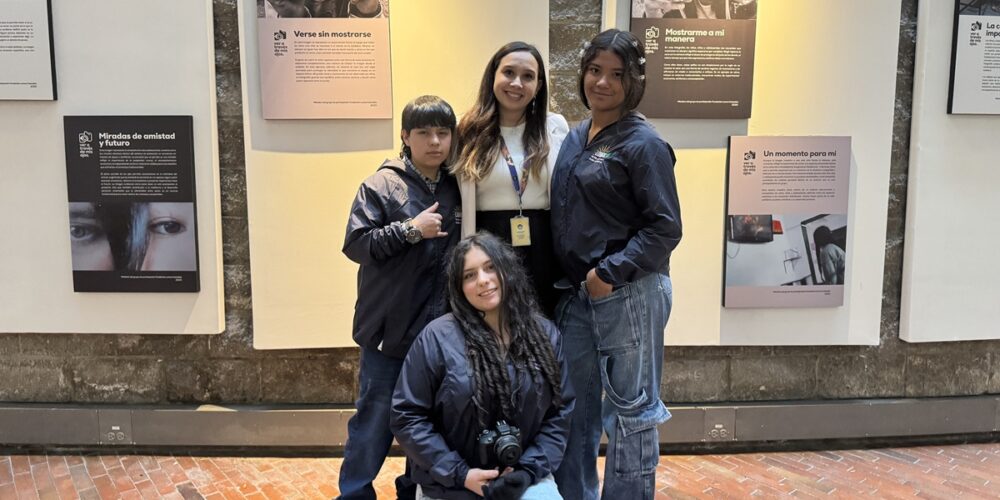
Seeing Through Their Eyes: Youth Voices, Light, and Lived Experience in Bogotá
Exhibition by members of the Lumos Colombia Youth Advisory Board, a group of children and young people currently living within institutional care.
Partner Stories
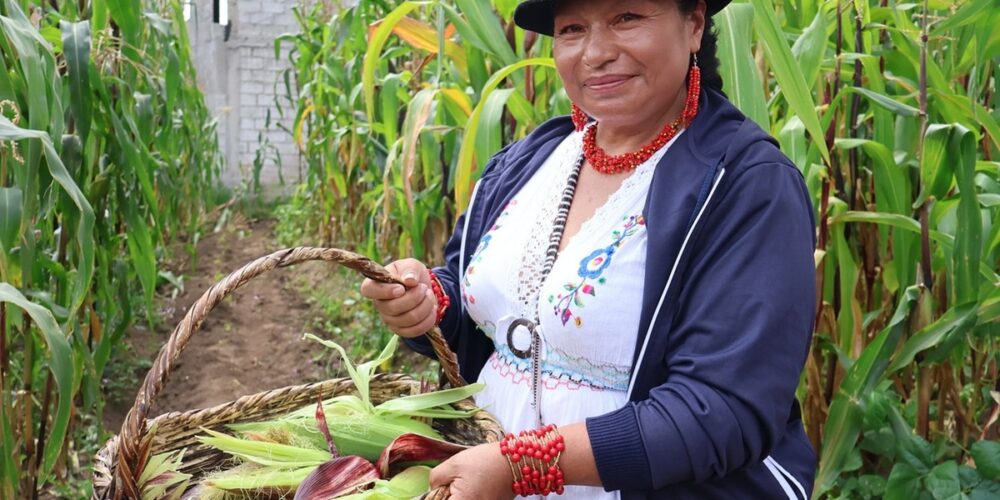
Building Safer, Stronger Communities in Pifo
In the foothills east of Quito, the community of Pifo is quietly transforming how it protects its children.
Partner Stories
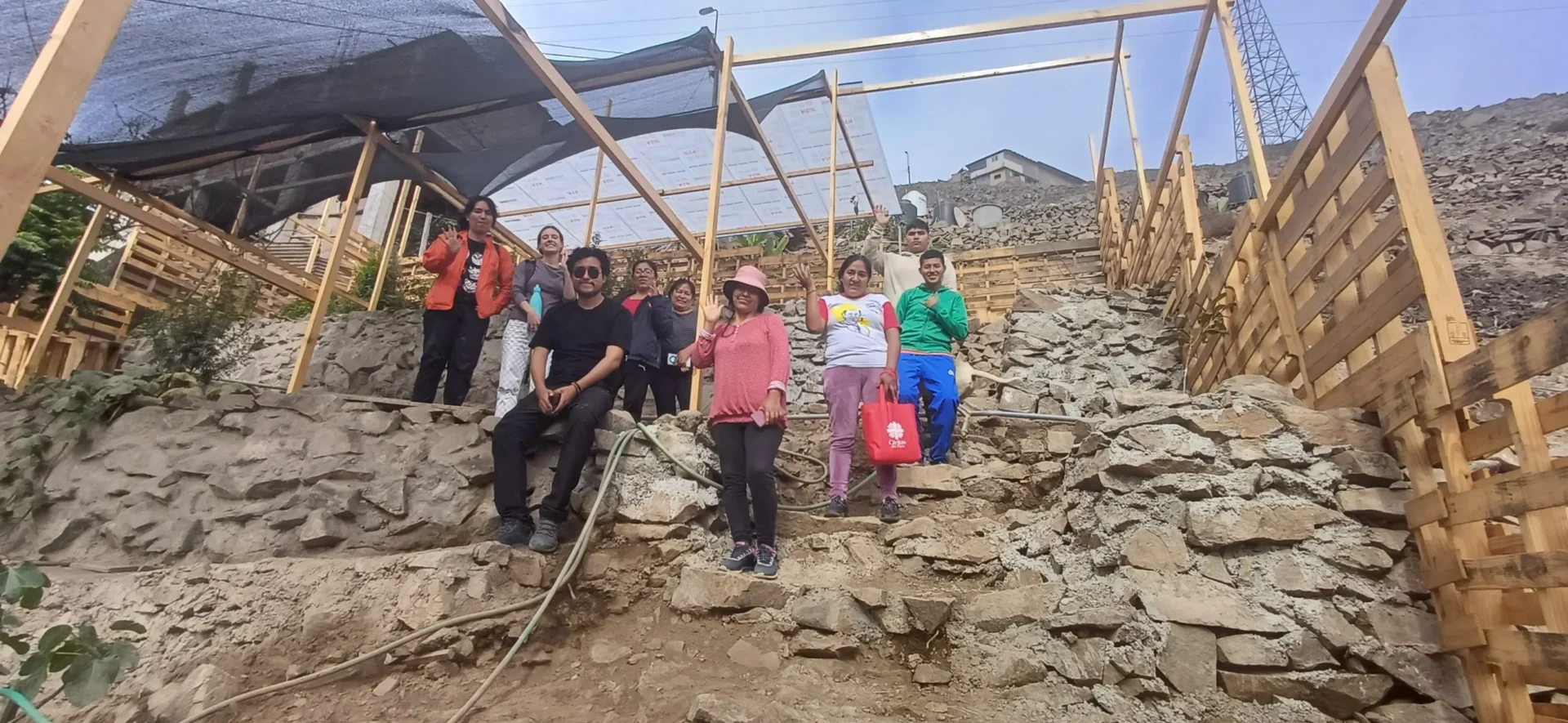
Building Brighter Futures for People and Nature Across the Andes
Across the Andean region of Latin America, local organisations are showing that the most powerful transformations begin within communities themselves.